Its a long time since I have written anything here and I feel like I am letting people down and myself down so here is an update of what has been happening lately and what is likely to happen soon. Basically I have been continuing work on the two Japanese films in some earnest and have got them to a point where I will be able to go to the UK to record the voice overs. This will tie in with another project which I have been working on about Russian theatre. Its a completely new project which is taking up a great deal of time but I think it is worth it because it involves the collaboration of a well known acting college in London (More later). That will be coming up in April but at the moment I am still down to writing the script and researching the material. Arranging interviews is on the cards in the next few weeks or so. The film will require probably three interviews. I will also have to get some more archive material from the archive in Krasnogorsk which is a little way outside Moscow. It requires some tricky negotiation with the administration there but that’s another story. In addition to all of that there is continuous editing going on with the two Japanese films.(I hope to have titles sometime soon so I can stop calling them “the two Japanese films”. Talking about Japan, just to mention there was a superb conference this week for three days about Japanese culture and art here in Moscow. Eighteen speakers on a variety of subjects from mandalas, to contemporary Japanese art. Confirmed many of my researches and it added to my pool of knowledge about Japan.
Japan
Guggenheim on its 50th anniversary and Kandinsky Film
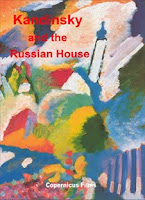
Kandinsky, a full-scale retrospective of the visionary artist, theorist, pioneer of abstract art, and seminal figure in the history of the Guggenheim Museum will be presented from September 18, 2009, to January 13, 2010. This exhibition is organized by the Solomon R. Guggenheim Foundation, New York, in cooperation with the Städtische Galerie im Lenbachhaus und Kunstbau, Munich, and the Centre Pompidou, Paris. The film “Kandinsky and the Russian House” was released in 2007 and has featured as part of the Kandinsky exhibitions in Germany and at the Pompidou Centre in Paris. It gives me great pleasure that the film will be associated with the 50th anniversary of the Guggenheim especially as Kandinsky served as an inspiration for the foundation of this great museum. This retrospective will bring together more than 100 paintings drawn primarily from these three institutions, whose collections make up the three largest repositories of Kandinsky in the world, as well as from significant private and public collections. A DVD of “Kandinsky and the Russian House” will be on sale at the exhibition and can be purchased at the Guggenheim shop in New York
When I was in Germany filming “Kandinsky and the Russian House” I was invited by a director friend, Peter Goedel who lived in Munich, to the film festival which was going at the time of filming. I had met Peter at another film festival in Toronto a year or so earlier and this meeting was one reason why I decided to go ahead and make a film about Kandinsky. Peter’s superb film “Tangier -Legend of a City” won three awards at Toronto and it was he who invited me to Munich when he heard that I was thinking of making a film about Kandinsky.
When I mentioned Kandinsky at the Munich Film Festival, people often talked about him as if he was a quasi European painter in the Matisse or impressionist mould and didn’t seem enthusiastic about acknowledging that Kandinsky was Russian at all. However if you look at Kandinsky’s work, the light that he found even in Southern Bavaria is very similar to a Russian light, the light of the Steppe. This is true I believe of even the most abstract of his paintings. Even as I look out of my window on a bright sunny Moscow morning I see Kandinsky’s colours and light everywhere. Anybody who has spent a long period of time in Russia will, in my opinion recognise this. The Argentinian and Irish artist Carmen Casey, who lived in Moscow for more than six years, commented to me that one of the difficulties she found about working in Moscow when she first arrived, was the sheer intensity of the light (on a sunny day of course) which she wasn’t used to and had never encountered befere. When I tried to explain this to people they would look at me blankly while I rambled on about my theories, especially the one that Kandinsky is the quintessential Russian painter. As he himself said, “Moscow is the tuning fork for all my painting”. And that is despite the fact that Kandinsky spent many years in all the European centres of artistic excellence of that time; Munich, Paris and finally Berlin at the Bauhaus. He always, I believe, returned artistically to his Russian roots . Why did he leave Russia it might be asked. In some ways it doesn’t make sense to ask such a question. Every artist must continuously expand their horizons and seek inspiration by travelling and through studying other cultures. Kandinsky came from a section of Russian society who would have been familiar with all the philosophical and cultural trends of Europe as well as Russia and would have been drawn to Europe as a result. However, the fact that Kandinsky no longer painted in Russia and had moved to Europe made him no more a European painter and no less a Russian painter.
Where ever artists find themselves they always see the world with their own eyes and interpret what they see from their own inner understanding.
An other factor here is the eastern influence in European painting which at that time was not such a strange thing as one might imagine. The collector of Central Asian Ikats or multi coloured robes,Tair Tairov, believes that the abstract patterns of these textiles and robes inspired a generation of artists in Europe. Picasso, Mattisse, Whistler and many others were all influnced one way or another by eastern art in particular Japanese art. It could be said that eastern art with its emphasis on the abstract was a componatnt part of the rise of abstract art in Europe and America. Kandinsky apparantely himself remarks how these multi-coloured robes infleunced his artistic development.
The film “Kandinsky and the Russian House” was released in 2007 and is part of a series of 6 films about the Russian Avant-garde.
What’s been happening back in Moscow
Already a month since we have returned from Japan. The backlog of business was formidable even though I tried to deal with a much as I could while we were on the road in Japan. Reasonably successful dealing with most things but all the same the sheer volume of tasks was overwhelming once we arrived back in Moscow. I had made a conscious decision to try and hit the ground running and get straight back into editing as soon as possible and that more or less worked out. Just getting back into the rhythm of Moscow life is a task in itself but then I have plenty of experience.
Its time to really take stock of what was the outcome of the whole Japan trip. The first thing to say is that we achieved at least 95% of the goals we set our selves plus an extra 20% of other goals which were fulfilled through the chances and opportunities thrown up by simply being in Japan for such an extended period. Ultimately these things aren’t quantifiable in any meaningful sense but it gives some idea of scale. For instance after visiting Oshima with Akira Suzuki and meeting the curator of the Island Museum in memory of Gomo Kimuro we decided to interview both of them and the connections they have with the Island and its culture.I hadn’t really intended this, I really just wanted to look at the Island and film a bit especially as David Burliuk spent time there painting with his family. It unclear how to use this material but there are various possibilities which are worth pursuing.
As for the main task in hand, that is the two films about Japanese art which are in progress (One traditional one contemporary), the material which we have shot and coupled with the extensive research we were able to complete in Japan have broadened and given depth to a project which was already at a well developed stage. The situation as it stands now is that I have to extend the post production stage for a much longer period than I expected but in the long run it will be of over all benefit to the project.
At the moment its too early to reveal the substance of the films in question simply to say that they will concentrate on Japanese art seen from an unusual perspective and contemporary art in Japan. The films will be linked thematically so that from time to time there will be a seamless crossover from one film to the other but at the same time the two films will stand alone as separate entities and can be viewed as such. Editing is progressing at a slow but steady pace and unfortunately you can’t rush these things, its laborious,time consuming but rewarding. Time will tell.
The Avant-garde series is selling well in most outlets. The Pompidou centre in Paris ordered more discs and negotiating with Guggenheim about Kandinsky film.
Winding Down
Just a few days left before we leave Tokyo. We extended our stay by ten days in order to fit everything in and even with that we wont get everything done. I have shot almost everything I wanted and research wise covered an immense amount of ground. However fatigue is setting in. Constantly on the move and organising each stage of our programme without any back up infrastructure takes its toll. Not that I’m complaining, that’s how I wanted it. Even during my time working on feature films in Europe and Africa before becoming an independent film maker the sense of fatigue in yourself and others usually became apparent after about six weeks into a shoot. We were in Russia for four months in the early nineties so its possible to imagine how people felt after that length of time.The director shot the last few weeks from a wheelchair closely followed by the first assistant director. It was a disconcerting sight to see them both being wheeled around the set but working perfectly normally otherwise. This is different of course, when you are doing things for yourself you can set the pace that you want and the demands of being attached to a large crew with 20-30 actors at one time are a far cry from what I am doing now.
Hakone
After we got back from Nikko it was just a few days before gearing up for Hakone. In between times I did more filming in Tokyo as well as a unique park outside Tokyo. The evening before we were to go To Hakone we met with Akira Suzuki and I outlined an idea I have had for a supplementary film and discussed the idea of doing more interviews with him for this new film.
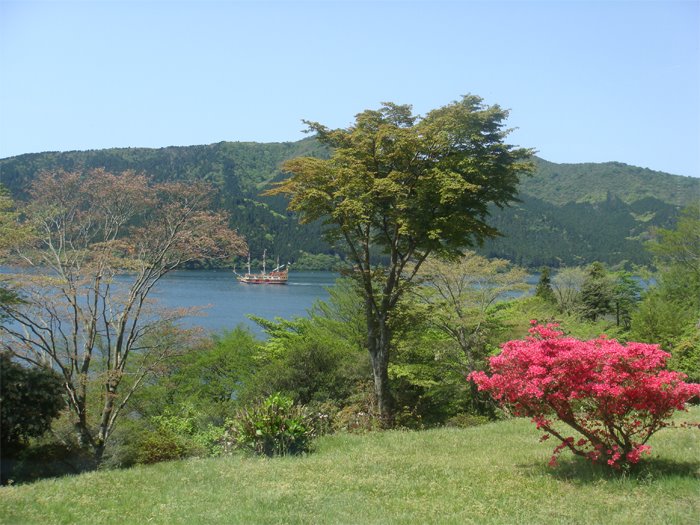
The next day w boarded a bus early in the morning which took us out to the Hakone region where Mount Fuji is located. I needed some good shots of this feature for the film. When I woke up and looked out the window torrential rain was falling and the forecast was that it would continue all day. Not a good start as this type of weather would insure that Mount Fuji would be hidden in cloud. We had decided to take a normal tour to the mountain which meant enduring a continual commentary from the guide, although I have to admit she was a good guide as far as it goes, its just we had different goals from a tourist who was in japan for the first time. I chose this method of traveling because there was no way we would get up Mount Fuji otherwise. Also I knew that the next day we would be free to wonder all over the Hakone area unhindered and the tour gave us some good deals on local transport plus as it turned out a first rate hotel with stunning views of the lake and mountains.
When we got to mount Fuji, the rain had in fact stopped but as i expected the whole mountain was shrouded in mist. Occasionally there would be break here and there but it wasn’t working at all. Nonetheless the feeling of being halfway up sch a magnificent natural feature was palpable and I we felt the full force of the incredible sight of the snow peaked volcanic mountain. Beautifully formed, if the weather had been better it might have felt like just a illusory few short steps to the top. Even though we were surrounded by snow at the fifth station, as its called it didn’t feel cold. A half an hour was all we got and then it was back on the bus and down the mountain for lunch. Then out to Hakone. It took about another hour and a half to get to the lake which is in fact a collapsed volcano crater.Everyone was bundled into a cable car at the foot of some mountain and we started an assent. Suddenly there it was. The weather had cleared and mount Fuji appeared in all its glory as if floating like and island in a sea of clouds. I knew the next day was going to be clear and sunny so I would get some good footage anyway but the emotional intensity of the view was worth the wait.
We descended to the lake again and we thankfully parted company with our guide and the rest of the group and were taken by a shuttle to the hotel was a couple minutes drive away on the shores of the lake. The hotel was a real find, quite luxurious but not expensive. We had a meal in the restaurant overlooking the lake and then went for an on-sen (volcanic hot spring bath). The on-sen was divided into too sections one for men and one for women. Both were outside bit only the men’s section had a view of the lake. As I sat alone in the steaming pool and gazed out across the lake lit by a stunning full moon I began to feel I was gaining some gradual insight into what the medieval Japanese painters and poets were getting at. A peaceful end to a dramatic day.
The next morning we were up early and straight to the on-sen again to set us up for breakfast. Breakfast was an extensive layout of everything from fruit, salads, bacon eggs, rice soup etc, and good coffee. We didn’t really want to move from the great view of the lake and the fantastic food but we weren’t here just for our health and a days work was beckoning.
The first stop was the Hakone Botanical Garden which Natasha wanted to see. A long hot walk to the bus station and 15 minutes later we were at the cable car to take us up to the volcanic hot spring area. This is an area of Hakone which is still active with hot steam rising out of the water which boils on the surface. The main source of income is boiling eggs in the pools and selling them to visitors. The eggs turn black from the sulfur in the water. More shots of mount Fuji and then further and further up the mountain by cable car to the top and down the other side.
 With each stop there is something interesting to look at, either a museum or art gallery or some strange natural feature. It seems to work on the secularised principle of a pilgrimage sites on a set route which were once the mainstay of the Buddhist religion in Japan.
By late evening it was already time to make our way back on the mountain railway branch line to Odawara and then on the Shikensen back to Tokyo.
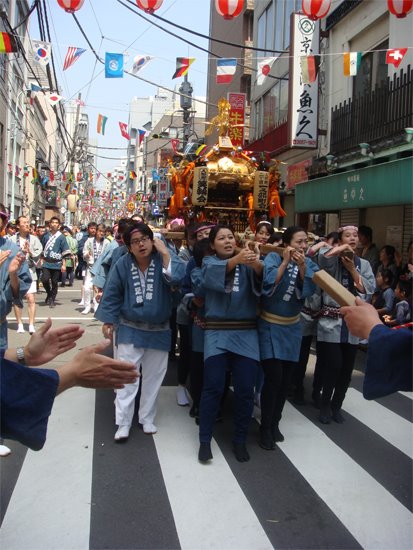
The next morning we were up early for the local kanda matsuri festival of carrying shrines around the streets where our apartment is located. Noisy and hot all day but we followed it for most of the time. So much so that when the locals stopped for a break for cold drinks they offered us a drink as well.
Oshima
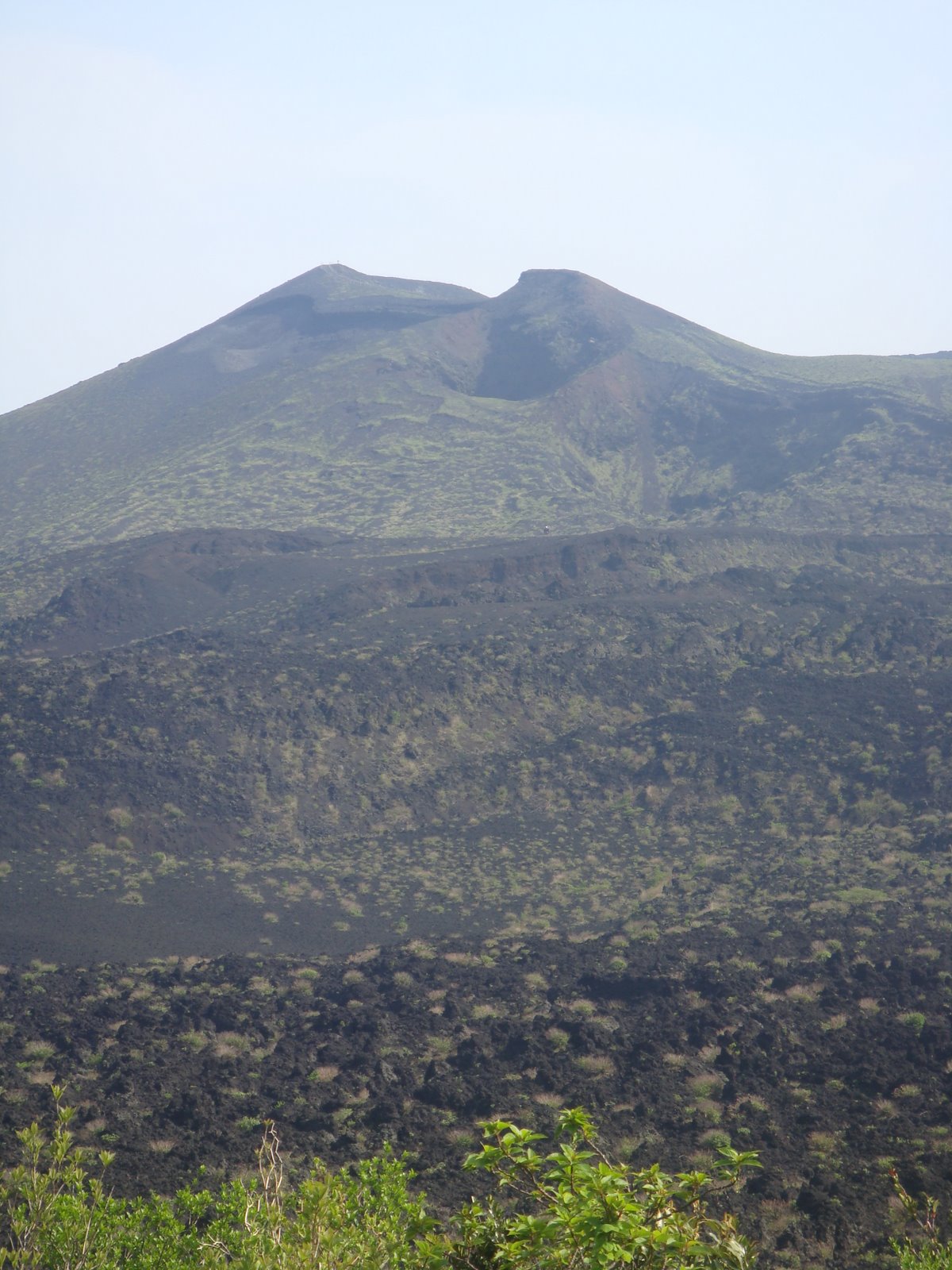
We arrived on Oshima slightly the worse for wear after a musical evening with some friends of Akira Suzuki the night before where we consumed large quantities of Japanese food and drink. I slept for most of the time on the hi speed boat which took us out there. We were met by the curator of the Goro Mikura memorial Museum of Traditional Peasant and Folk Art, Mr Fuji and he took us straight to the museum to do some quick filming and for to get acquainted. Mr Fuji’s father was an artist who kept alive a unique folk tradition of wood sculpture indigenous to the island of Oshima(more about this later). Then we went up to Mount Mihara to film the volcano. We didn’t seem to be getting as close as I wanted(Its not active – last eruption was in 1983 and Mr Fuji was part of the team of fire-fighters and rescuers drawn from the local population). We drove around for bit more and then Mr Fuji turned off the road and onto a black lava dust trial which open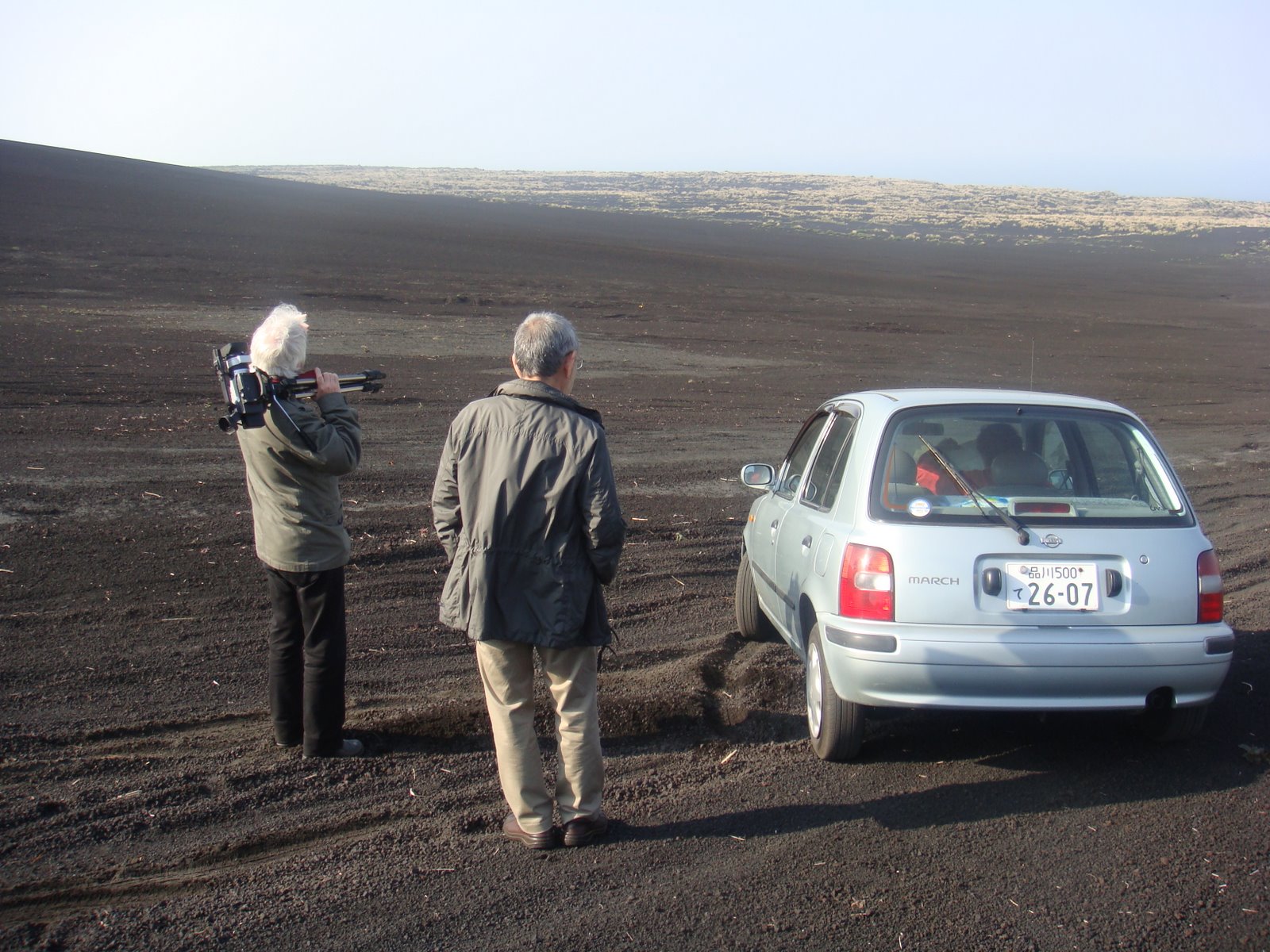 ed up into an enormous expanse of lava dust stretching for miles all around us. We spent an hour or more here and then roamed around the island looking at various things of interest and finally returned to the museum around 6 o’clock. Then we walked a short distance to our hotel which was a typical family Japanese hotel with Japanese style rooms and incredible views of the mountains and volcano.
The next day we were up early and headed out for some more locations in and around the main town including the hotel or at least the site of the hotel in which David Burliuk stayed in 1920 when he came to Oshima. A lot has obviously changed since then but it is still a unique feeling that you are following in the footsteps of one of the great artists of the 20th century and featured in the film “David Burliuk and the Japanese Avant-garde”, 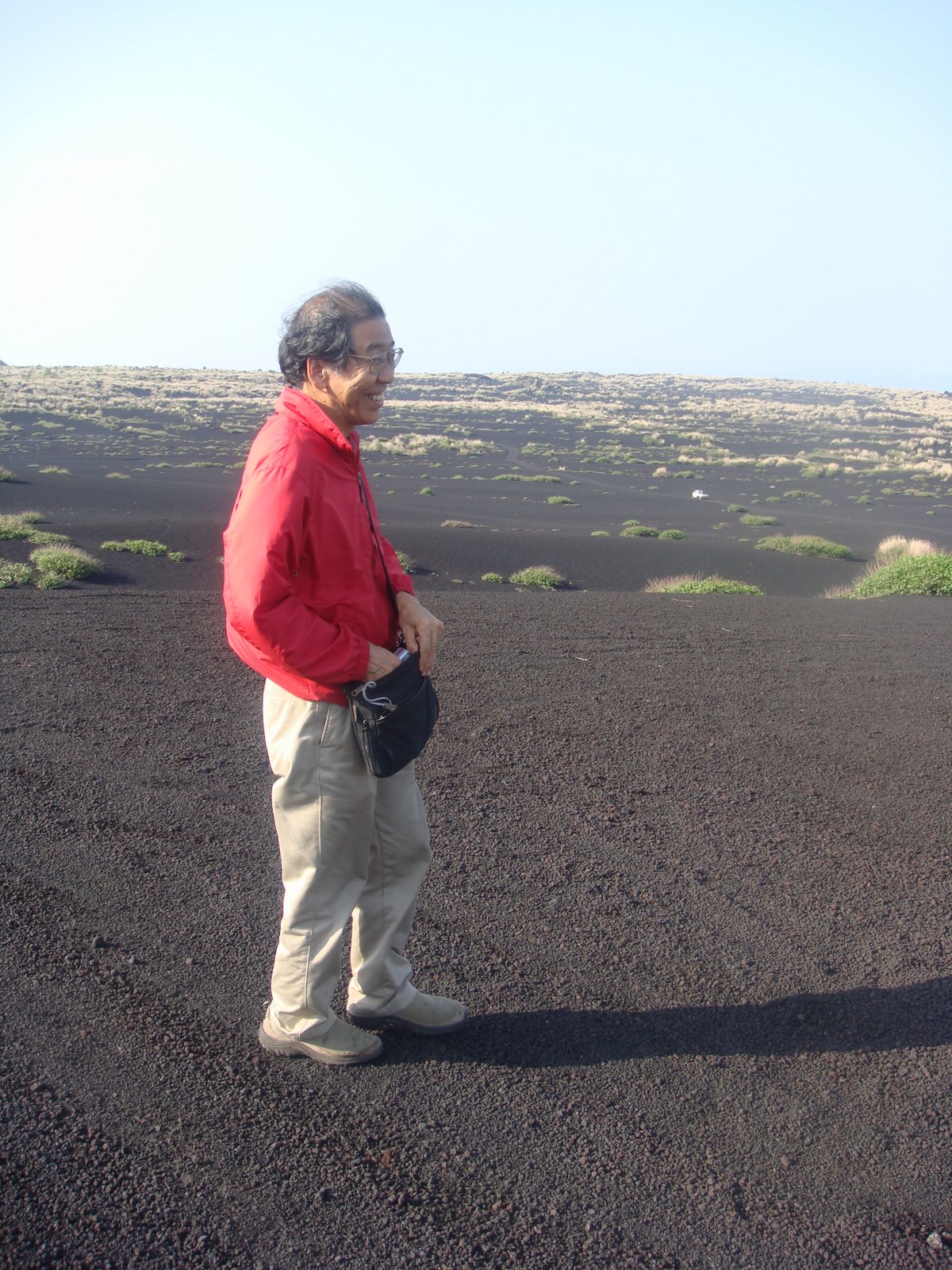 which we filmed in 2004/5. David Burliuk wrote a book about his time on the island simply called “Oshima” which Akira Suzuki has translated into Japanese. After lunch we filmed an interview with Mr Fuji along with Akira Suzuki. We left Oshima about 3 PM on the Jet Foil and got back to Tokyo early evening where we had a good meal to finish off the trip.
Organising Next Locations
Finally getting somewhere with some of the more complicated locations that need to be organised, namely Nikko, Oshima and Atami. Akira suzuki with whom I worked on the film “David Burliuk and the Japanese Avant-garde” has invited us to go with him to the island of Oshima. Its one of the first Islands Burliuk visited when he came to Japan. Akira Suzuki wll introdcuce us to the curator of the island museum and I will film as much as possible. It takes a few hours by boat to get there so we will stay overnight and come back the next day. We have also finally got the trip to Nikko settled as well. Nikko is a small town at the entrance to Nikko National Park. It also has one reputably of the most beautiful waterfalls in Japan. All the same everything depends on the weather.
We have been meeting with old friends the last few days as well which takes up quite a bit of time and Now that the Sakura(Cherry blossom) period is over its worth reflecting on a few ideas
Tokyo Shinjuku Filming
Today in Shinjuku was one of those days were you start to understand what you are doing how it will work and things will fit together. Its a rare experience which perhaps has something to do with the weather and wont last long but its a good feeling all the same. We spent almost the entire day filming in Shinjuku Goen park. Spectacular sight of cherry blossom in full blaze. Its very difficult to escape at the moment but all the same its an incredible sight. I’m not usually one for the postcard visions of a country but experiencing the cherry blossom in Japan is an unexpected delight and goes well beyond the cliches of cherry blossom romantic vision of Japan. 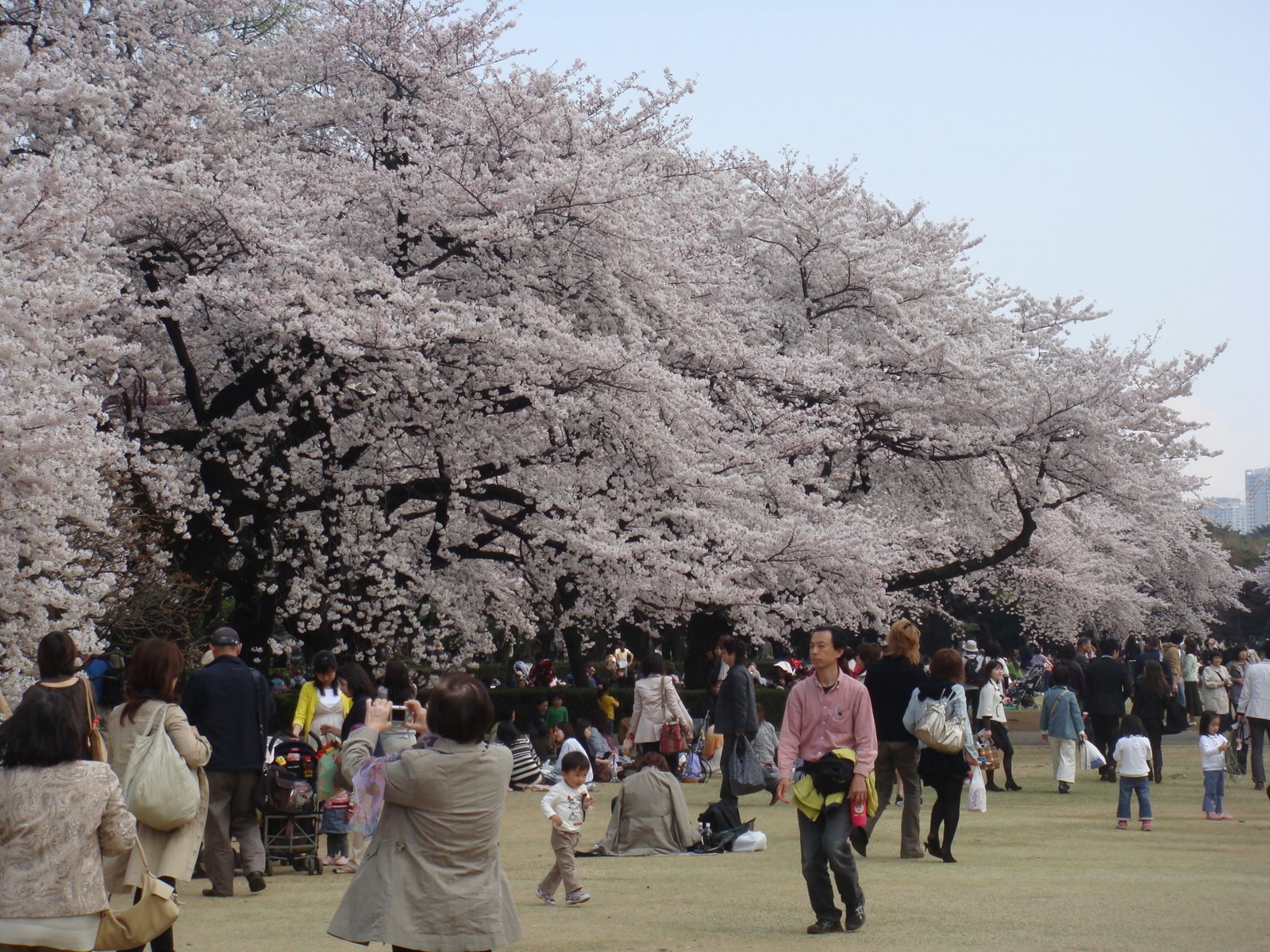 There is a genuinely spiritual meaning to the festival in that the fleeting appearance and disappearance of the blossoms represents or embodies the fleeting character of life itself. Most of the footage I am getting at the moment will fill in gaps which will have a qualitative effect on the over all direction of the first film which is centred around traditional Japanese art. In many ways at the moment there is nothing new coming in just a building up of layers and shades to add depth to the film. When engaged with any film or any project for that matter, when you start, it takes some time to reach an understanding of the outer parameters. In other words the limits within which the film will be formed. These limits are never actually reached as any creative project is forever in the stage of formation but at some point you do get a sense of what that territory will be. With these two films I don’t think I have reached that point. As I film and collect material here in Japan those limits and that territory is still in a significant state of flux.
The same thing was true of the series The Russian Avant-garde – Renaissance or Revolution whereby I was never really sure with each film and the series itself whether I was coming to the end or beginning a new phase of the series. It was only after the six films were completed that I felt as if the outer parameters of the project had been reached.
Copernicus Films – Tokyo Filming
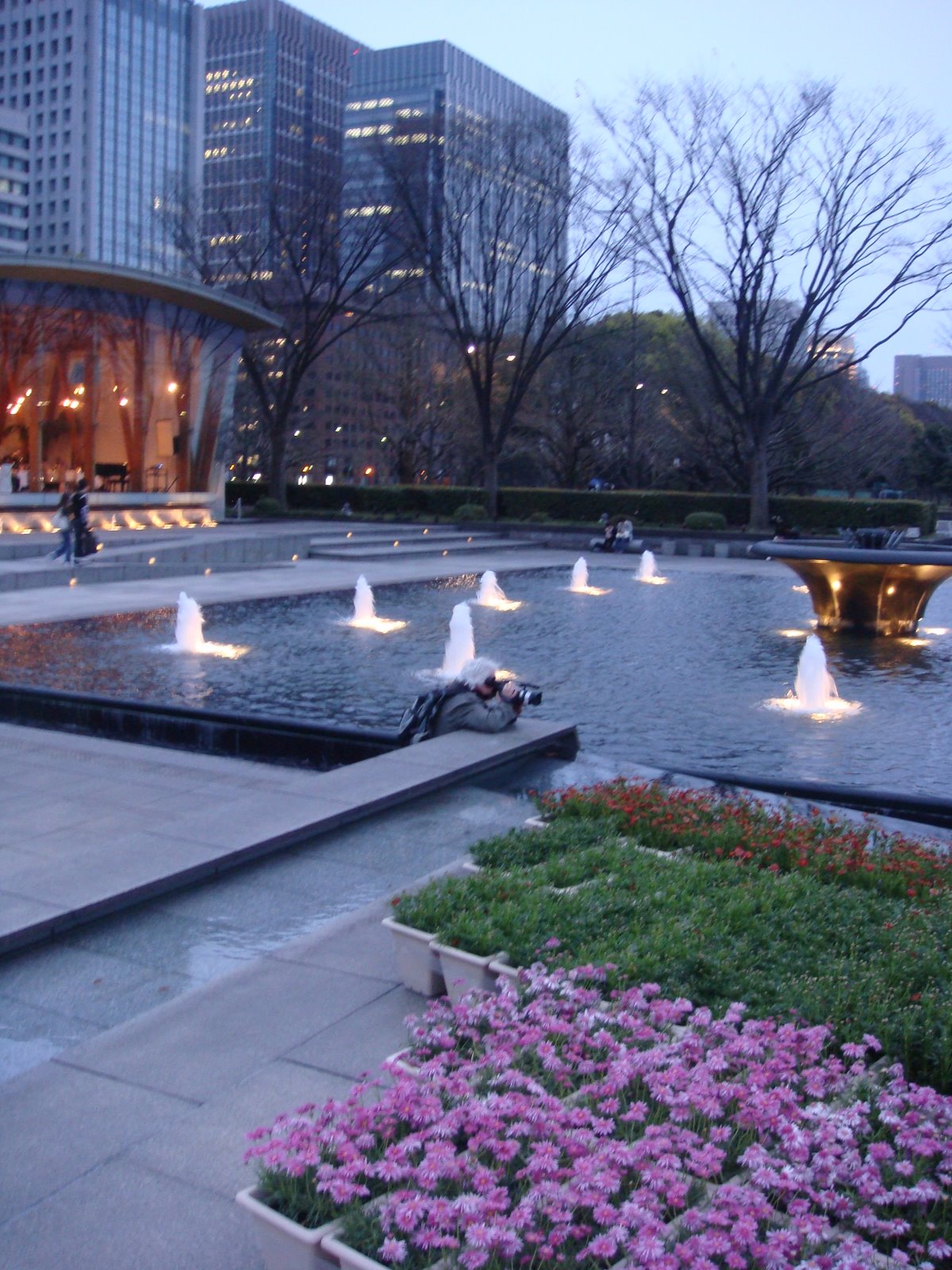
Several days of filming around Tokyo. Mostly general stuff but at the same time bearing in mind the archive footage I already have and how the archive footage might be integrated with contemporary scenes of Tokyo. This will hold true for the traditional film and the contemporary film both of which will make up the project. Filming and writing almost simultaneously which is a very new sensation. I have already done a considerable amount of research leading up to this trip but there is nothing like being in the field so to speak and seeing how things actually are on the ground and in reality. Have been spending time with Akira Suzuki who gave me a copy of his new translation of David Burliuk’s book about Siberia. Its about the fifth or sixth book he has translated of Burliuk’s work – its just a shame that I don’t read Japanese. Information about Akira Suzuki can be found on my web site as well as an interview with him in my “David Burliuk and the Japanese Avant-garde” the fifth in the series “The Russian Avant-garde – Renaissance or Revolution”.
At the moment its the cherry blossom festival in Japan so I feel a bit dominated by it but at the same time I am looking at other things which are going on around Tokyo. In some sense I am still finding my feet and trying to get into some kind of rhythm. Kyoto was much easier because we had a short space of time in which to fit everything in and so we were quite focused. Here in Tokyo things are a little bit more open ended and so it requires more discipline. Some of the evening material looks interesting although I haven’t had a chance to look at it all.
Japan – Kyoto Filming
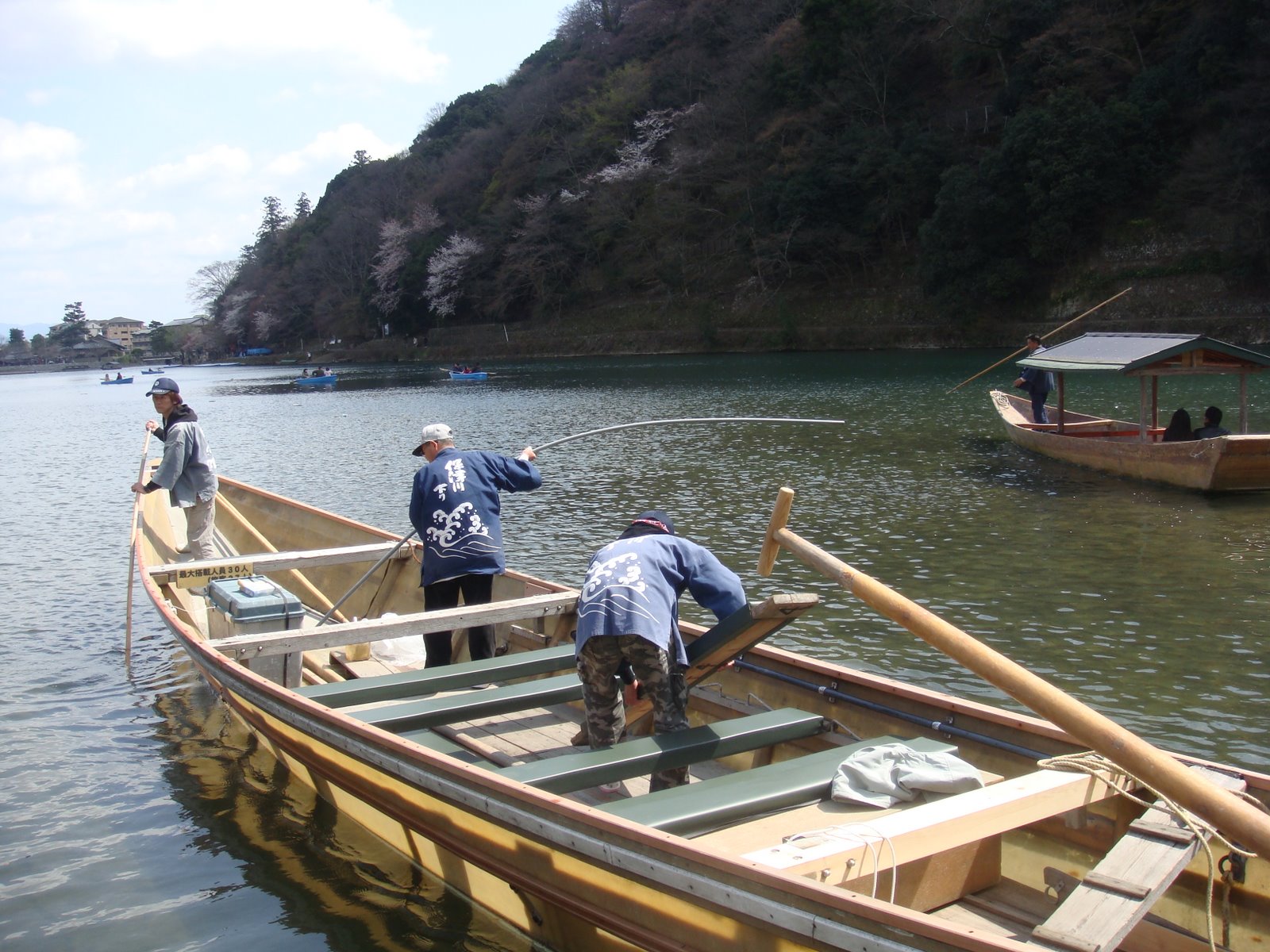
Arrived in Kyoto several days ago and have been working since our arrival. Shot a lot of footage already. 1000 tori gates of happiness, Arashiyama and a boat ride through mountain “rapids” down to Arashiyama, one of my favourite places in Kyoto. Some new footage but mostly picking up what I missed before and what has occurred to me after editing. One of the main advantages of our return is filling the gaps in my knowledge which I hope will make the script fuller and deeper.

These two films will be a completely new departure for Copernicus Films after recently completing the series “The Russian Avant-garde – Revolution or Renaissance”
However its fair to say that the two planned films are an offshot of the experience of the film David Burliuk and the Japanese Avant-garde
We have now returned to Tokyo after a week in Kyoto. Plenty of new material already which will work well in both films, although this is really only the start. I was particularly pleased with the Heian Shrine material of which I really didn’t have enough of. Taking a breather for a day while we settle into Tokyo. Apartment is quite good and we feel pretty comfortable with it – central and in the same area we lived in before so we know where everything is located. We will spend the next day or so relaxing, seeing friends and planning the next few weeks. Natasha has some things he needs to do as part of her own programme. We have a pretty good idea of what we want to do and what I want but it requires working out the finer details. Still trying to get into some kind of rhythm but that is just a question of time. Natasha as always giving full support and keeping a full photographic record of everything as well as getting on with her own business. This evening we will meet with Akira Suzuki who I interviewed for the David Burliuk film.
 Copernicus Films